Comparison · 2 picks
Pickleball vs Squash: Which One Should You Play? (2026)
Affiliate disclosure: we may earn a commission when you buy through links on this page, at no extra cost to you. Our verdicts are our own and are not influenced by compensation.
Squash players are pickleball's second-biggest convert pool after tennis. The transition is genuinely interesting: squash teaches close-quarters wrist control, fast reactions, and shot variety - all of which transfer cleanly to pickleball's kitchen-line dink game. The bigger questions are joint impact, social format, and whether you want indoor-only or have access to outdoor courts.
At a glance
All 2 options side by side.
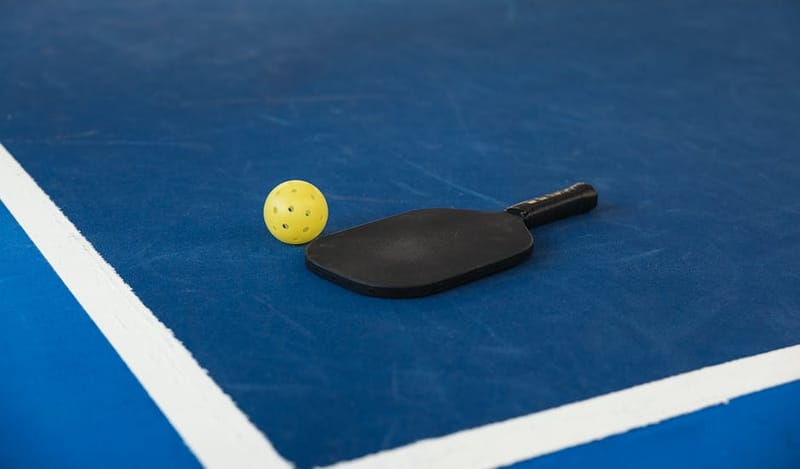 | 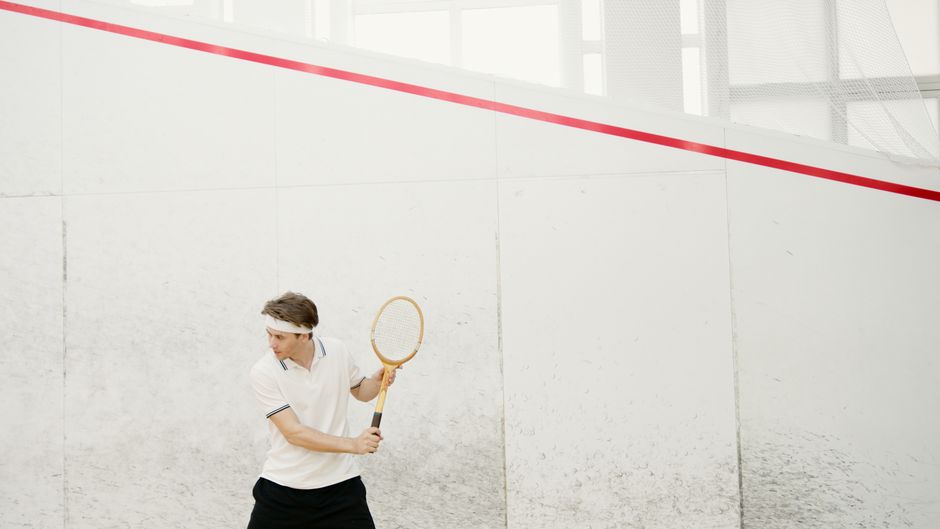 Squash Squash | |
|---|---|---|
| Price | £0 | £0 |
| Best for | Pick this for low-impact social play with a fast onramp. | Pick this if you want maximum cardiovascular workout per hour, you have healthy joints, and you want a deep competitive ladder. |
| Review | Read review → | Read review → |
The picks in detail
Pickleball
Bottom line. Pick this for low-impact social play with a fast onramp. Best fit for players over 40, doubles enthusiasts, and anyone whose knees have a complaint about squash.
Pros
- Doubles-default + social rotation makes it easy to meet players fast
- Lower-impact than squash - the smaller court and slower ball reduce knee, ankle, and shoulder load
- Equipment cost £80-£150 to start vs £150-£300 for squash (racket + court shoes + eye protection)
- Easier to learn first session - most beginners rally within 30 minutes
- Sport England formally recognised in 2024; growing UK governing body with active community pipeline
Cons
- Lower cardiovascular intensity than squash for a given hour played
- Court access still patchy in the UK outside London, Manchester, Edinburgh, Cardiff, Wrexham, university towns
- Acoustic noise complaints can be a planning issue in residential developments
Squash
Bottom line. Pick this if you want maximum cardiovascular workout per hour, you have healthy joints, and you want a deep competitive ladder. Less ideal as a casual social activity than pickleball.
Pros
- Highest cardiovascular intensity of the racket sports - typically 600-900 kcal burned per hour
- Well-established UK club infrastructure with England Squash county leagues + ranking system
- Indoor-only play means weather isn't a factor; 4-walled courts deliver consistent ball flight
- Singles is the default format - solo competition without needing a partner
- Coaching pipeline is mature - PSA-affiliated coaches at most established clubs
Cons
- Higher joint impact - knee, ankle, and Achilles injuries common in players over 35 who don't drill movement
- Higher equipment cost: racket £80-£150, restring every ~30-50 hours £15-£25, court shoes £60-£100, mandatory protective eyewear £20-£40
- Solo + four-walls format is harder to be social around; you typically know your court partner well or not at all
- Court hire is more expensive than badminton/pickleball - typically £8-£18 for a 45-minute booking
- Steeper learning curve to play competently; most beginners need 5-10 sessions before they can sustain a rally
How different are the courts?
The geometry is the most-different thing about the two sports. A squash court is a four-walled indoor box of 9.75m × 6.4m (32ft × 21ft) - you play off the front wall and the ball can ricochet off any side wall. A pickleball court is a flat rectangle of 13.4m × 6.1m (44ft × 20ft) with a net at the middle, played either indoors or outdoors with no walls in play.
The squash four-wall system rewards strategic shot placement; pickleball's wide rectangle rewards positional play (kitchen-line control). Squash players entering pickleball often initially fail because they keep targeting the back wall - which doesn't exist - and pace their shots too aggressively for the slower ball.
How do scoring and game length compare?
Squash uses PAR (Point-A-Rally) scoring to 11, win by 2, best-of-five sets. A typical recreational match runs 35-50 minutes. Pickleball uses traditional side-out scoring to 11, win by 2 (also 15 and 21 in some formats), and recreational games are 15-25 minutes each. Pickleball's faster game cycle is what makes round-robin social play viable - you can play 4-6 different opponents in a 90-minute session.
What about cardiovascular workout?
Squash is the higher-intensity sport per hour by a meaningful margin. Recreational squash typically burns 600-900 kcal/hour depending on player intensity and pace; recreational pickleball typically burns 350-500 kcal/hour. The 4-wall enclosed format means there's nowhere to retreat to - you're chasing the ball constantly. Pickleball's smaller court with two players covering each half means more efficient positioning and less ground covered per rally.
For fitness-as-primary-goal players, that gap is significant. For social-as-primary-goal players, pickleball's 350-500 kcal/hour is still a reasonable workout and the lower intensity means you can play more often without recovery friction.
How do joint impact and injury patterns differ?
Squash's injury rate is higher than pickleball's at every age group, and the gap widens with age. The classic squash injuries are:
- Achilles tendon ruptures - particularly in men over 35; the lunging-recovery movement pattern is the failure mode.
- Knee meniscus injuries from rapid direction changes on the hardwood court.
- Eye injuries - the small high-velocity ball + 4-wall geometry caused enough impacts that mandatory protective eyewear is now standard at most clubs and required in England Squash sanctioned competition.
- Lower-back strain from twisting torso shots; less prevalent in pickleball where the strike geometry is more linear.
Pickleball's known injury profile (Achilles tendon and rotator-cuff strains primarily; see our pickleball vs tennis comparison for the breakdown) is real but lower-incidence per hour played. For players returning to racket sports after a 5+ year gap, pickleball is the conventional medical recommendation.
What does it cost to play each in the UK?
Starter kit costs:
- Pickleball - paddle £40-£80, balls £15-£25 for 6, court shoes £40-£60. Total £95-£165 to be properly equipped.
- Squash - racket £40-£150, can of 2 balls £8-£12 (lasts 10-15 sessions), court shoes £60-£100 (must be indoor non-marking soles), mandatory protective eyewear £20-£40, optional racket-restring £15-£25 every 30-50 hours of play. Total £130-£300+ to start, recurring restring + ball replacement costs.
Court hire:
- Pickleball - £4-£7 at Better leisure centres, £8-£15 at dedicated clubs. Public-park courts free where available.
- Squash - £8-£18 for a 45-minute court at most UK clubs; non-member rates can hit £25 at premium London clubs.
Will my squash skills transfer to pickleball?
Many of them, yes. The continental grip (used for almost every pickleball shot - see our grip tutorial) is the same grip squash players use. The wrist-snap and short-stroke fundamentals transfer directly. Squash players' reaction time at close range is a huge asset at the pickleball kitchen line.
What you'll need to unlearn:
- Stop targeting the back wall. No walls in pickleball. Your length shots will fly past the baseline for the first 5-10 sessions.
- Slow the pace. The pickleball ball is slower; aggressive squash-pace drives sail past the opponent's baseline. The soft dink game replaces some of the drive frequency you're used to.
- Step away from drop-shot defaults. Squash drop shots are aggressive winners; pickleball drops (the third-shot drop - see our tutorial) are softer, more strategic positional shots.
- Get comfortable with doubles. Squash doubles exists but is rare; pickleball doubles is the default format. Partner communication and positioning take a few sessions to learn.
Frequently asked questions
Can I play both pickleball and squash?
Is pickleball replacing squash in the UK?
Which is harder to learn?
Can children play both?
Which is better for fitness if I only have 2 hours/week?
- Pickleball vs tennis - the other big convert sport, with parallel joint-impact + cost analysis.
- How to hold a pickleball paddle - the continental grip transfers from squash directly.
- Third shot drop tutorial - the soft shot squash players initially over-pace.
- Kitchen rules - the zone-control discipline squash doesn't prepare you for.
- Pickleball rules explained UK - the full rules reference.